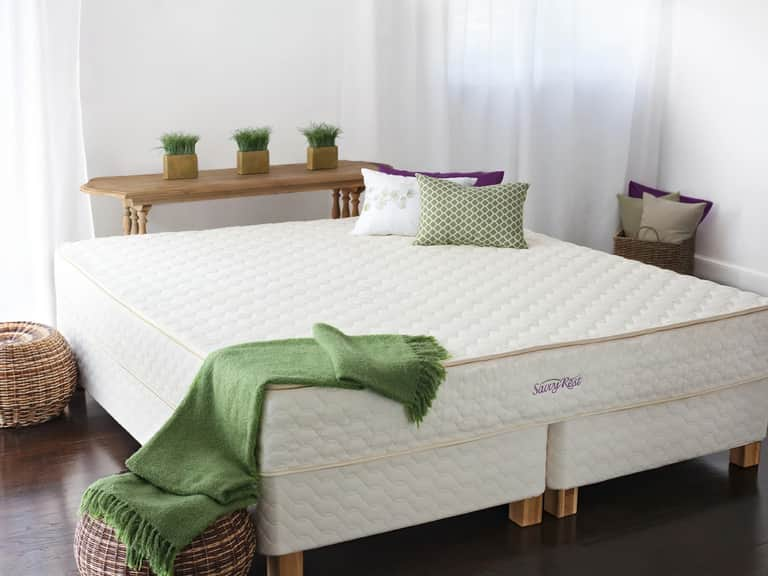
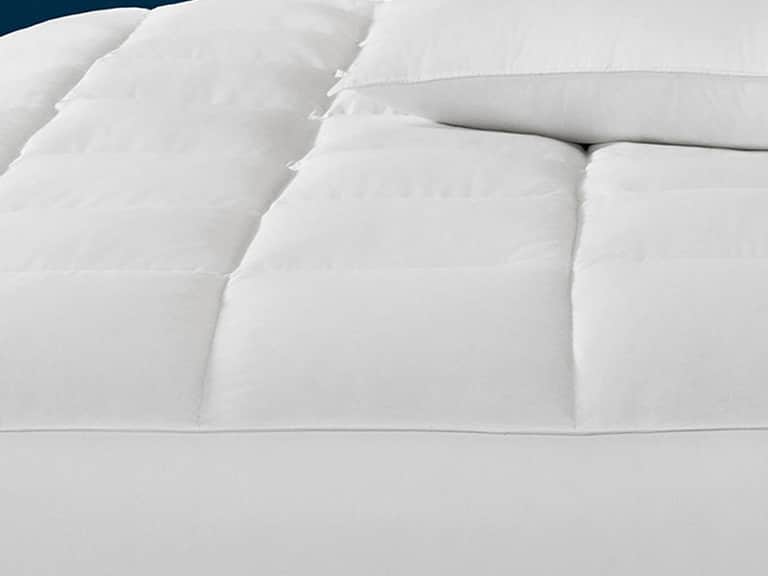
Introduction: A Greener Approach to Sleep Comfort
In a world flooded with choices for mattresses, the organic option stands out not just for its promise of fewer toxins, but for a commitment to sustainable sourcing and responsible manufacturing. An organic mattress is more than a label; it is a system of materials and processes designed to minimize chemical exposure, reduce environmental impact, and support long-term durability. For many sleepers, choosing organic is a step toward a healthier sleep environment and a healthier planet.
To navigate this space, readers should become familar with key certifications, the roles of core materials, and the practical ways to compare offers without getting lost in marketing jargon. The goal of this guide is to equip you with clear criteria, realistic expectations, and a checklist you can take to retailers or browse online with confidence.
What Qualifies as Organic: Certifications to Look For
Certifications are the quickest way to verify organic claims, but they can be nuanced. In the mattress world, several standards are commonly cited:
- Global Organic Textile Standard (GOTS): A leading standard for organic textiles, covering fibers, processing, and labeling. When a mattress uses organic cotton or wool with GOTS certification, you can expect stringent controls on pesticides, dyes, and chemical additives through the textile supply chain.
- Global Organic Latex Standard (GOLS): The benchmark for organic latex. GOLS-certified latex is produced from organic-certified rubber trees and processed under controlled conditions to maintain organic integrity from forest to foam.
- GOTS+: An enhanced version of GOTS that may include additional criteria or supplier-level assurances, often used by brands that want to emphasize higher-level organic practices across the production cycle.
While certifications are essential, they are part of a broader story. A truly organic mattress should demonstrate integrity across materials, manufacturing practices, and end-of-life considerations. Look for transparent sourcing claims, third-party audits, and a clear explanation of how materials are treated and processed before they reach you.
Key Materials and How They Work
Organic mattresses commonly feature a combination of natural latex, organic cotton, and organic wool. Each material contributes to comfort, temperature regulation, and durability in distinct ways. Here’s a closer look at how these pieces come together:
Natural Latex (Dunlop and Talalay)
Latex is valued for resilience, buoyant support, and pressure relief. Organic latex is derived from rubber trees and processed with minimal synthetic additives. The Dunlop and Talalay processes yield slightly different textures: Dunlop tends to be denser and more supportive, while Talalay often offers a lighter, more responsive feel. The choice between the two impacts how the mattress responds to movement and sleep posture.
Organic Cotton
Organic cotton forms the core and cover layers of many organic mattresses. It is grown without synthetic pesticides and fertilizers, reducing chemical exposure. In mattresses, organic cotton provides a breathable, soft-touch surface and helps create a neutral climate next to the skin. The cotton’s durability ensures the outer layers hold up through years of use and rotation.
Organic Wool
Organic wool acts as a natural flame retardant and adds moisture-wicking properties to the sleep surface. Wool is excellent at managing heat and humidity through its natural fiber structure, helping to keep the sleeping surface cooler in warmer months and warmer in cooler months. Wool’s resilience also contributes to a longer-lasting feel without sacrificing comfort.
Together, these materials can deliver a balanced sleep experience: a breathable, temperature-regulated surface with consistent support. The exact layering—how many latex layers, whether wool is quilted inside the cover, and the density of the cotton casing—will influence feel and longevity. When evaluating options, pay attention to how the layers interact and whether the construction supports your preferred sleep position and body weight distribution.
Brand-Focused Considerations: Sourcing, Manufacturing, and Care
Two brands frequently cited in organic mattresses are Naturepedic and Vispring, each with distinct approaches to sustainability, materials, and craftsmanship. Understanding what each brand emphasizes can help you ask the right questions and compare offers on a like-for-like basis.
Naturepedic is widely recognized for its commitment to organic materials and careful testing for safety and environmental impact. Their products often feature organic cotton covers, plant-based or latex cores, and thoughtful design that minimizes the use of questionable processing chemicals. Customers select from various configurations to match firmness preferences, with a focus on transparent materials lists and third-party certifications.
Vispring stands out for its bespoke, hand-crafted approach and premium materials. Their mattresses frequently showcase luxury natural fillings such as cashmere, horsehair, wool, and natural fibers in layered upholstery above a sturdy spring core. While highly premium, Vispring also emphasizes long-term durability and sustainability through careful sourcing and a reverence for traditional craftsmanship. If you’re considering a Vispring, ask about where the materials come from, how the springs are engineered, and what care routine supports a decades-long life.
Beyond brand claims, practical questions to bring to a retailer include the following:
- What certifications do the primary materials carry, and can you provide documentation?
- What is the exact composition of the spring system (where applicable), and how does it interact with natural layers?
- How is the mattress finished and treated at the factory, and what steps are taken to minimize chemical exposure?
- What is the care regimen, including cleaning, rotation, and replacement timelines for natural components?
- What is the warranty, and what does it cover in terms of sagging, indentation, and material integrity?